In celebration of finishing my undergraduate career today, I am back in action with a new blog post. I have been waiting for a vacation to write about my vacation (this evening is my minivacation), and with cruise ships positioning themselves for the summer season, I would like to share my thoughts on the cruise industry.
In March I had the opportunity to sail on Princess Cruises’ newest ship, the Royal Princess. Thanks to an extensive travel background in almost all modes of travel, this was my tenth cruise with almost 100 days at sea. My latest cruise experience and supplemental research indicates four key trends for the major cruise lines.
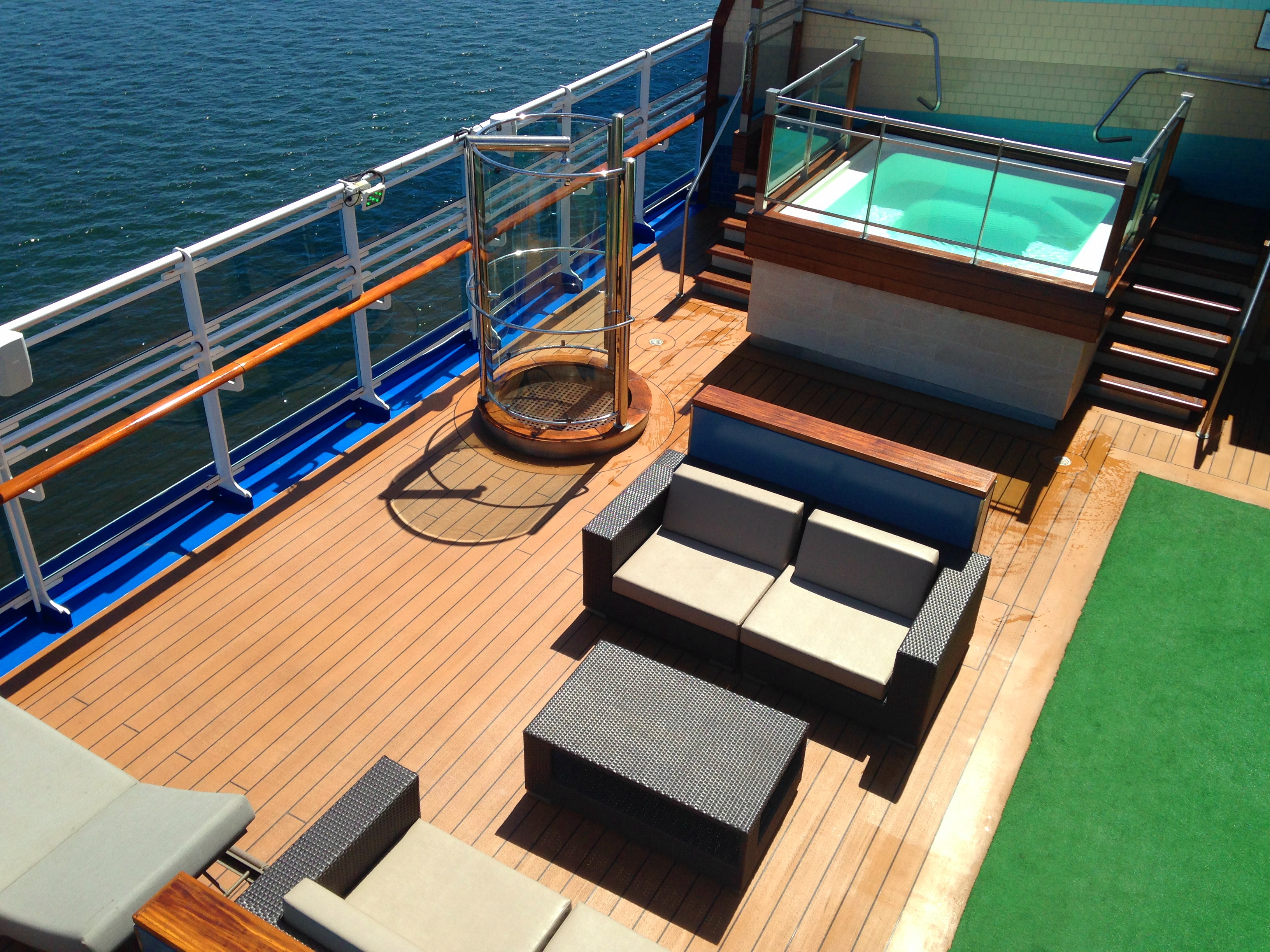
Focus on sophistication: As the biggest players in the cruise industry (Princess, Royal Caribbean, Celebrity, Norwegian, Carnival, Holland America, and Costa) expand their fleets, the on board design standard is changing. With the exception of Holland America, which averages the oldest clientele, these companies are moving away from the decades-old classic cruise look for a trendy new resort feel. On Royal Princess, the dining rooms were edgier, the furniture was trendier, and the visuals, whether with lights or screens on stage and around the ship, were flashier. The new standard feature of a massive on-deck movie screen also reflects this shift.
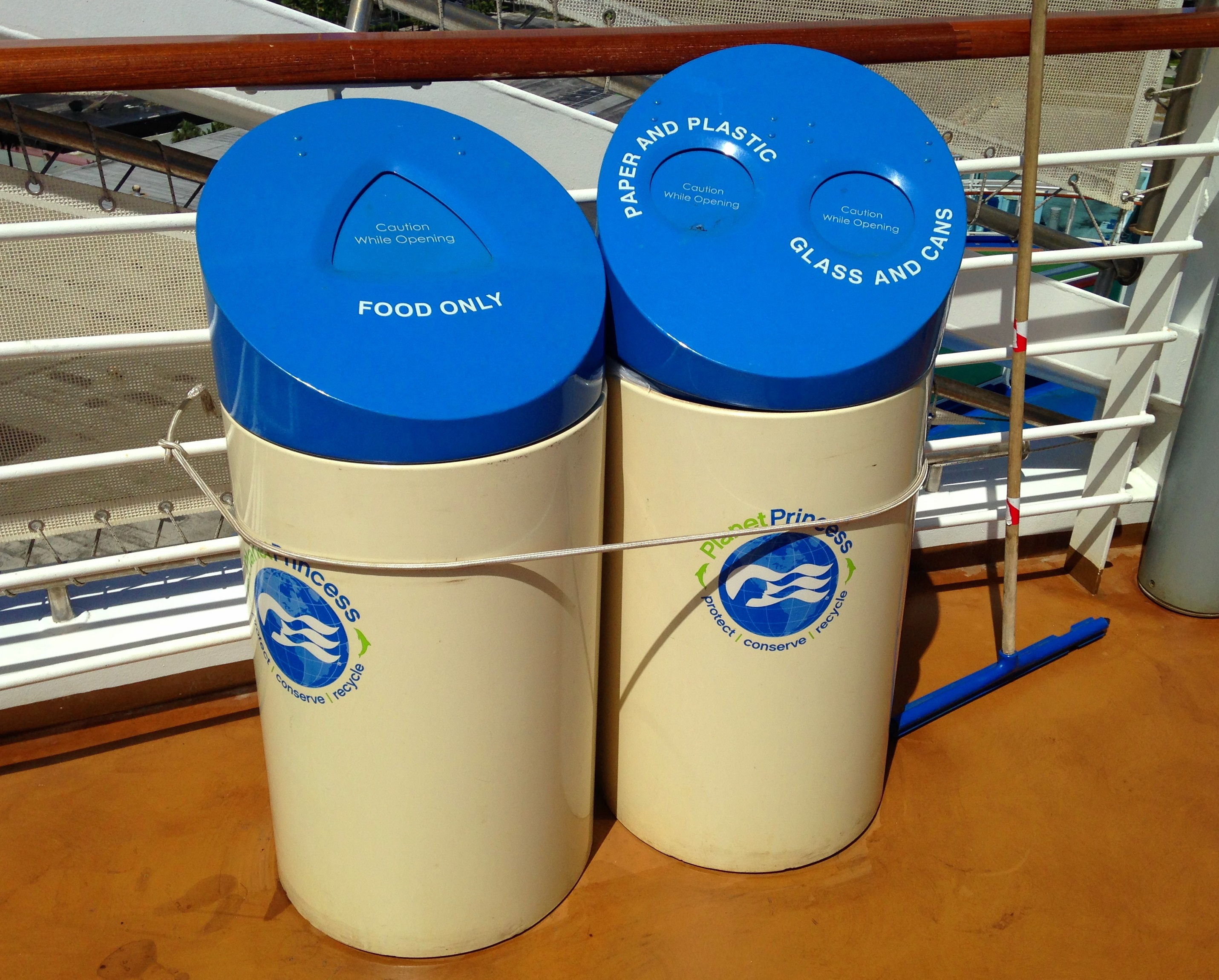
Visibility in sustainability: Princess has maintained a notable sustainability program since my first cruise with them in 2001, but environmental awareness and the prevalence of sustainability measures have spread from new hotels on land to new ships on the sea. Look for new details such as room key activated electricity in the staterooms, pervasiveness of recycling bins on the decks, and the replacement of individual mini-shampoo bottles (which are irresistible to hoarders) with in-shower, wall-anchored dispensers that reduce the ship’s consumption of plastic.
Growing size: Bigger is now better on the high seas. In essence, the customer buys into a more impressive and top-of-the-line ship while cruise lines fit more stateroom, retail, and bar income per voyage. In the Princess fleet, the Grand class ships were once the biggest ships in the world at max 3,100 guests. Now, the Royal class can fit 3,600 passengers. The new, industry-leading ships slated for 2014 which include Royal Princess’s sister ship, the Regal Princess, Royal Caribbean’s Quantum of the Seas, the Norwegian Getaway, and the Costa Diadema, will hold about or over 4,000 people. Make sure to reserve your fixed-seating dinners early!
Growing sacrifices: These large new ships, however, can mean a less enjoyable overall cruise experience. It seemed like the designers of the Royal Princess had traded efficient movement of people for maximizing space. For example, the plan of the ship eliminated the passenger central stairwell, and as a result caused massive chaos and frustrating ques to move between decks. Handicapped people who need elevators had less accessibility, and those who are fully mobile were forced to fill the elevators. Adding five hundred people to the Grand class passenger total but removing the main artery of mobility was, in a word, thoughtless. Other changes such as winding (not straight) stateroom passageways introduce hazards of running into people and making wheelchairs and walkers harder to use. The elimination of the archaic but efficient stripe of color on the carpets in these hallways (red for port and green for starboard) also made ship navigation even more confusing for passengers.
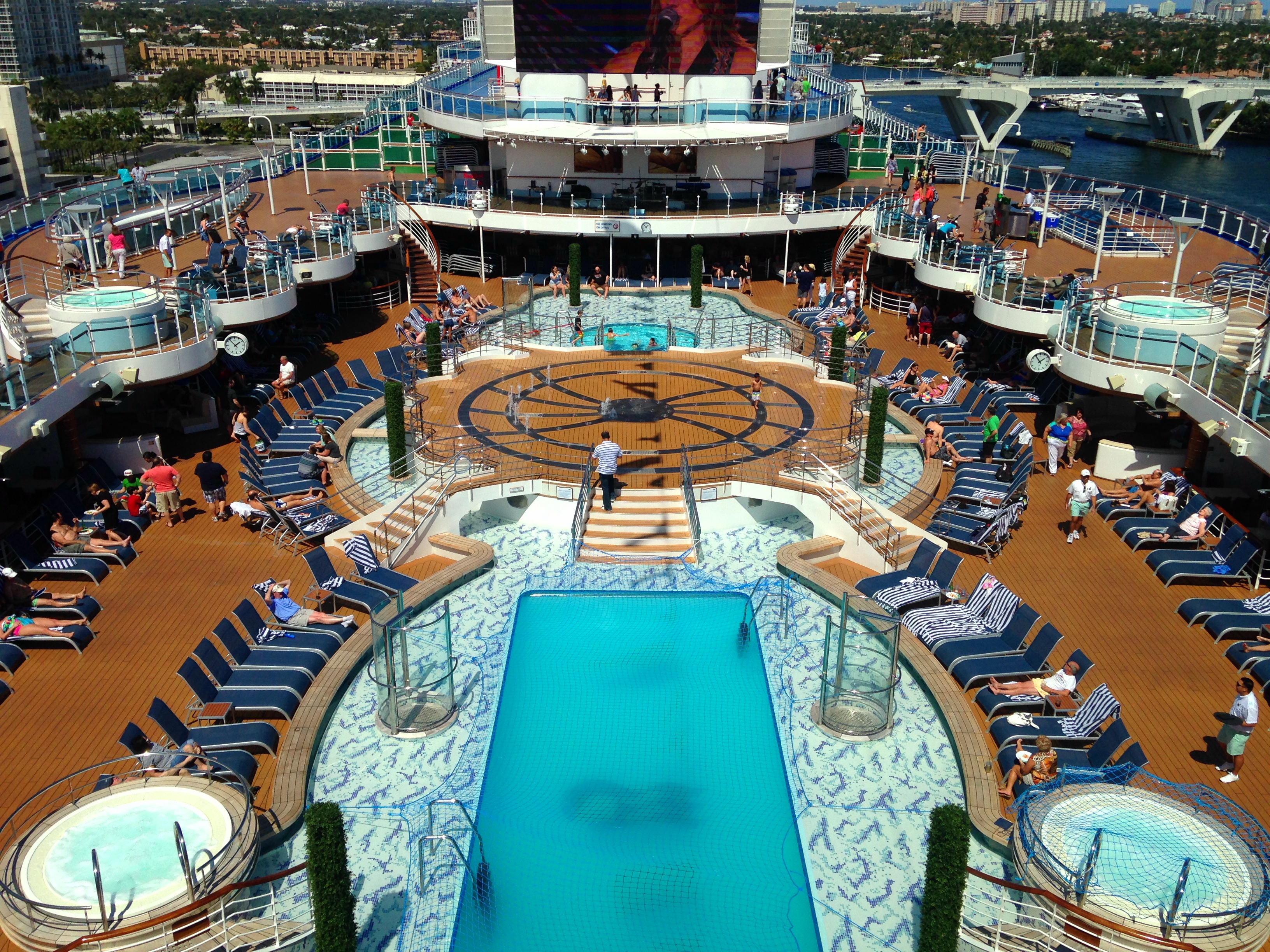
The greatest impact of the scaling up of size is the process of embarkation or disembarkation. The Caribbean cruise itinerary that I experienced Royal Princess through had relatively low embarkation and disembarkation traffic. It involved low port-intensiveness and a vast amount of returning Princess customers who traveled to experience the new ship, not particularly the itinerary. As the bigger ships move to more port-intensive itineraries, the manpower, time, and patience to move people on and off the ships will increase dramatically. I suggest selecting slightly older and smaller ships for the more popular destinations.
As the cruise industry continues to grow dramatically, these four factors will become even more influential on the travel experience.
 anchored & adrift
One thought on “4 Trends in the Cruise Industry and Their Impact on Your Onboard Experience”