Fifteen years ago was an ideal time to be an international jetsetter. The skies felt safer, airline hospitality standards were higher, milage programs meant something, and there wasn’t such a race to create the best sardine can in place of a plane. Not to mention, the concept of paying for checked bags (and every other detail) didn’t exist, avoiding carrying all your belongings on you and fighting for overhead luggage space.
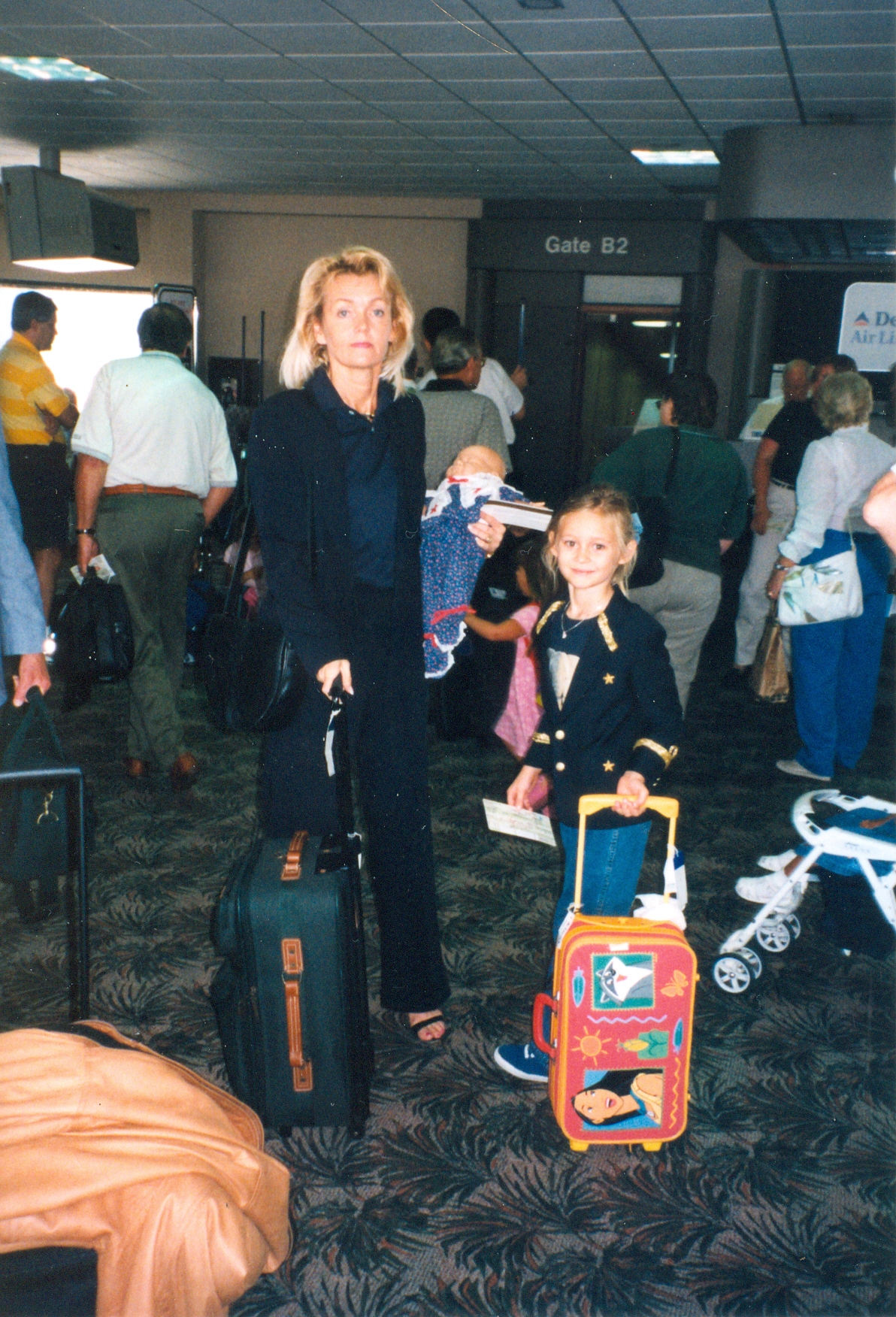
Personally, I was living the life, and a lifetime of travel fever was born. I would roll around airports in the U.S. and Europe with my Pocahontas suitcase (or my Scooby Doo backpack, depending on the trip) wearing a blazer styled by my mother/personal tailor to imitate the jackets of pilots. With my gold-trimmed cuffs, untold merits pinned on my shoulder pads, and an authentic Delta Airlines pin given to me by a friendly steward, I was the most professional seven year old jetsetter in the skies.
Since those days, 9/11 and the recession crippled the travel industry, especially airlines. Since then, we’ve all watched and felt the U.S. domestic airline experience cramp our style, quite literally. There is no longer an experience of days gone by, but a bare bones necessity to get from point a to point b.
As the Wall Street Journal recently covered, the three big Gulf airlines, Emirates, Etihad, and Qatar Airways are making their move into the U.S. aviation market. The biggest threat they present? Bringing luxury hospitality back to air travel. As Mr. McCartney writes in his article, “to beaten-down U.S. fliers, it sounds like a fantasy: high quality airline service at lower prices.” While I won’t go into the political battle that American airline companies are trying to wage to keep Gulf airlines out of their market, or the economics of the state-owned airlines that allow them to offer this level of service, here are a few standards I think U.S. airline companies should strive to maintain in the face of international competition:
- Comprehensible mileage programs – The confusing landscape of fine text in these programs seem like an intentional minefield. Miles vs. money spent, date ranges, and numerous exceptions make the act of using your miles feel like an exercise in blind trust.
- Personal seatback televisions on long-distance flights – Because nothing is more frustrating than walking on a 10 hour flight and seeing those old, bulky, barely visible TVs hanging from the ceiling in place of personal systems. What if I want to watch the map instead of some bland rom-com?!
- A culinary effort – Airlines have captive audiences, why not fill their time and palate with experiences? JetBlue, for example, is introducing a new wine program on their flights for Mint customers.
- Don’t be Scrooge – prices for every object and feature of a flight is only appropriate for Ryanair.
- Finally, and importantly, always have Biscoffs – Questionable peanuts? Extra processed pretzels? Mysterious crunchy mix? No, thank you.
 anchored & adrift