As a Swedish and Finnish travel writer, it is a bit difficult to get in the right state of mind to feature something Norwegian on anchored & adrift. They have an irritating amount of oil, impressively ugly trolls (compare this to, for example, Finland’s most famous trolls), some of Scandinavia’s best snaps, and an unfortunately high amount of Winter Olympic gold medals per capita. Generally I ignore their existence altogether unless something Nordic comes up on the world stage, and then we all amicably band together like an ABBA reunion tour. But, what I do in fact enjoy (and less-grudgingly admire) about that side of the Scandinavian Peninsula are the incredible fjords that dominate the coast of Norway. Here’s how to get your fjelltur, or mountain adventure, to the Norwegian fjords started.
Fjords 101
Fjords are products of massive glaciers eroding the bottom of the valleys beneath them, leaving behind mountains that plunge into extreme depths below the sea. They can be found around the world in areas including the west coast of Europe, the northwest coast of North America, the west coast of New Zealand, and the west coast of South America. However, Norway is home to some of the longest and deepest fjords in the world with Sognefjord and Hardangerfjord topping the charts.
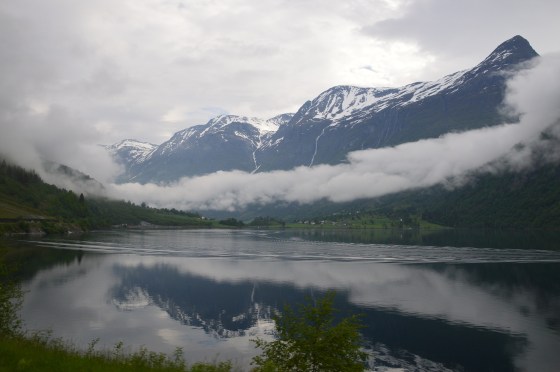
This kind of extreme topography, especially when paired with efforts ranging from the local to the UNESCO World Heritage level to keep the fjords pristine, limits the ease of access for visitors. In general, you can either take a long, winding drive or sail in to a fjord, and that’s about it. Only certain areas have bus and train connections. Pair your remote countryside getaway with transit and accommodation “hubs” in neighboring villages, towns, or small cities, and you’ll be navigating Norway like a modern Viking.
Isn’t It Good, Norwegian…
The wood(s), waterfalls, lakes, trails, glaciers, and, of course, fjords look like they were pulled from a storybook countryside scene, and it is not difficult to see how they would inspire troll-focused folklore. Moss-covered boulders seem to have eyes and noses, and caves perfect for small, dark beings appear out of nowhere in the mountains and behind waterfalls.


There are three main areas that you will want to consider for your introduction to Norwegian fjords. From north to south:
Geirangerfjord
Noted as one of Norway’s most popular natural attractions, the Geirangerfjord is a UNESCO World Heritage site and offers endless opportunities for hikes, scenic ferry rides, kayaking, dramatic drives, camping, glamping, and more.
Points of interest:
- Dalsnibba: A mountain with car access to the summit that offers a scenic viewpoint at the new Geiranger Skywalk
- Seven Sisters Waterfall: Iconic multi-stream waterfall located within the fjord. Opposite the Seven Sisters is the Suitor, a smaller waterfall said to be wooing the sisters across the way.
- Ørnevegen: the road from Geiranger to Eisdal that features steep climbs and hairpin turns with a modern scenic overlook that juts out over the fjord at the summit.
Jostedalsbreen National Park + Briksdal Glacier
The Jostedalsbreen Nasjonalpark is home to the Jostedalsbreen glacier, which is the largest glacier on mainland Europe. The Briksdal glacier, which is an arm of the main Jostedalsbreen glacier, is one of the most accessible parts of the glacier via park hiking paths. There are even all-wheel-drive shuttles (which, in a great bit of branding, are called Troll Cars) that can take less mobile visitors fairly close to the valley.
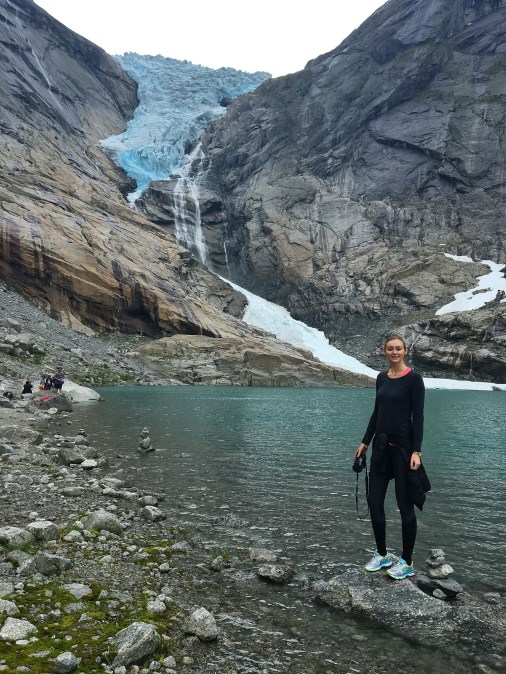
Promotional materials for the park say the experience is like hiking from one season to the other, and I completely agree. From warm valleys to chilly peaks, lush summery forests, bare mountains, and frozen glaciers, you should definitely bring several layers of clothing and all-terrain shoes.
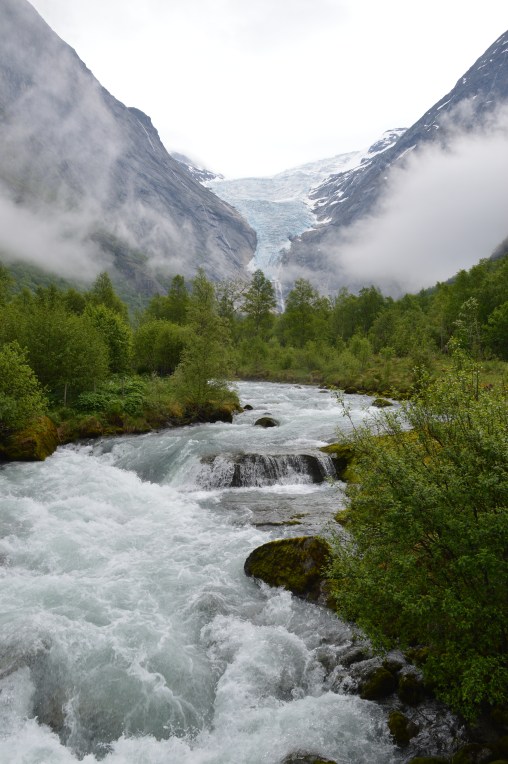
Points of interest:
- On your way toward the Briksdal Glacier, you’ll see signs indicating how far the glacier extended at certain points in recent modern history. Spoiler: global warming is dramatically impacting glaciers.
- The main access points are Jostedalen (Luster) and Fjærland (Sogndal)
Sognefjord
Sognefjord is the ultimate fjord experience by merit of being both the longest and deepest fjord in Norway. Its deepest point dives to more than 4,265 feet, and the mountains reach a height of more than 5,570 feet.
Points of interest:
- Flåm Line: Recognized as one of the most beautiful train journeys in the world, this hour-long trip runs between Flåm and Myrdal with 80% of the journey at a gradient of 5.5% – one of the steepest standard-gauge railway lines in the world. If you’re basing your trip from Bergen, you can take a train from Bergen to Myrdal, and then experience the Flåm Line.
- Stave churches: Some of the oldest remaining stave churches, which are known for their wood materials, medieval architecture, and post-and-lintel construction, are in the Sognefjord area.
- Stegastein outlook: a modern-design viewing platform that floats out over the fjord with excellent views in all directions
The City Fjord and the Country Fjord
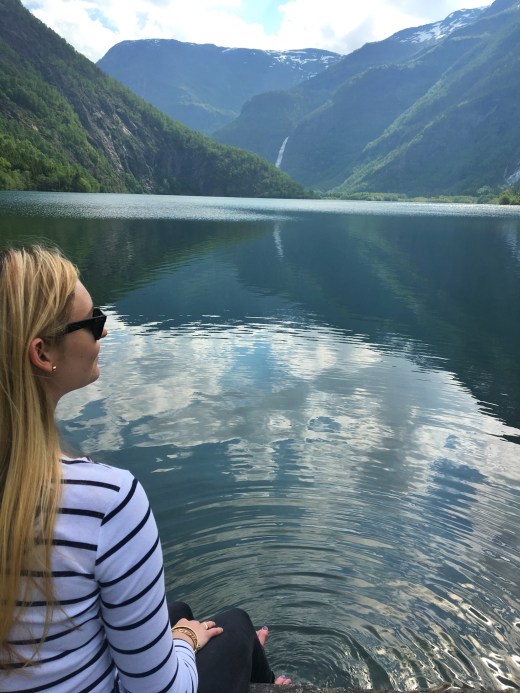
While escaping into nature is a core goal of an adventure to the fjords, civilization has its perks in getting you to and from the countryside. Not to mention, these cities (a term I use loosely since the areas listed below range in population from 200 to 200,000+) still have some pretty great views, and they are all ports of call for cruises and smaller ferries if you choose to explore the fjords by ship. Here’s a quick list of logistically-useful towns to keep in mind when planning your adventure:
Ålesund: Ålesund is located at the mouth of the Geirangerfjord and is one of the largest towns in the region. Its airport, Ålesund Lufthavn, is the closest airport (international and domestic) for the sights listed above. Following a major fire in 1904, the town was rebuilt in a unique art nouveau architectural style.
Olden: The port of Olden provides access to Jostedalsbreen Nasjonalparken and Briksdalsbreen, and is shown in this post’s header photo.
Skjolden: Skjolden is located at the innermost point of Sognefjord in the Lustrafjord branch. The area around Skjolden and within Lustrafjord is typically home to particularly lush, emerald-colored greenery thanks to the water provided from the glacier melt. Skjolden has a number of cozy-looking rental cabins and well-marked walking, running, or hiking paths.
Bergen: Bergen, which feels like Manhattan compared to the size of the towns and villages listed above, is just south of the opening to Sognefjord. Enjoy views and mild to moderate hike options at the top of the Fløibanen funicular.
* * *
I’d love to hear your tips and take on the Norwegian fjords in the comments below. Thanks for reading!
Subscribe via the blue box below or follow @anchoredadrift on Instagram to stay in the loop for our next feature.
 anchored & adrift
One thought on “Fjelltur into the Fjords: A Starter Pack for Norway’s Most Dramatic Sights”